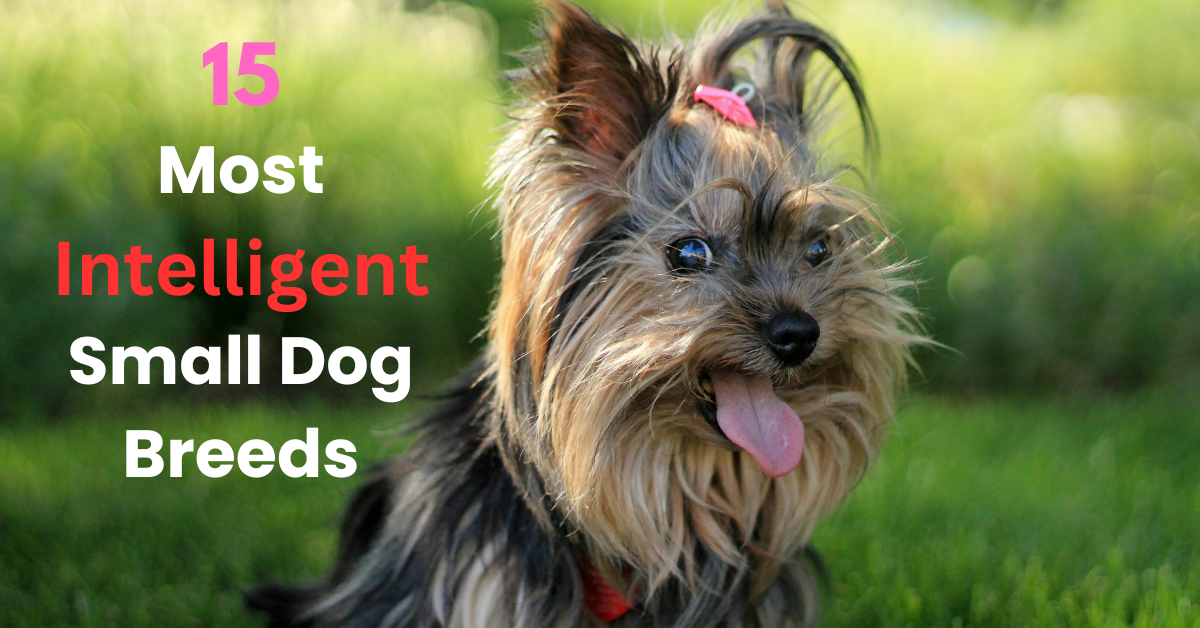
Looking for a small dog with a big brain?
Some compact breeds are remarkably quick learners, capable problem-solvers and outstanding performers in obedience, agility and other dog sports. The Papillon, Miniature Poodle, Shetland Sheepdog and Miniature Schnauzer are among the smartest small dog breeds, proving that intelligence certainly isn’t determined by size.
But there’s an important point to understand before ranking intelligent dogs: dog intelligence comes in different forms.
Some breeds excel at learning commands and working closely with people. Others are brilliant independent problem-solvers but may be less interested in doing exactly what they’re told.
According to the American Kennel Club, what we often describe as canine intelligence is closely connected to trainability, although breed purpose, instinct and independence can also influence how readily a dog learns.
For this list, we’ve considered four practical characteristics:
- Trainability and responsiveness
- Problem-solving ability
- Working or instinctive intelligence
- Ability and willingness to learn new tasks
That makes this ranking more useful than simply asking which dog can learn a command fastest.
Smartest Small Dog Breeds at a Glance
| Rank | Breed | Intelligence Strength | Training Level |
|---|---|---|---|
| 1 | Papillon | Learning & agility | Excellent |
| 2 | Miniature Poodle | Problem-solving & learning | Excellent |
| 3 | Shetland Sheepdog | Working & obedience | Excellent |
| 4 | Miniature Schnauzer | Learning & adaptability | Very Good |
| 5 | Pembroke Welsh Corgi | Herding & problem-solving | Very Good |
| 6 | Toy Poodle | Learning & problem-solving | Excellent |
| 7 | Schipperke | Independent problem-solving | Very Good |
| 8 | Pomeranian | Learning & tricks | Very Good |
| 9 | Yorkshire Terrier | Adaptability & learning | Good |
| 10 | Cairn Terrier | Independent problem-solving | Good |
| 11 | Rat Terrier | Problem-solving & working | Very Good |
| 12 | Brussels Griffon | Learning & responsiveness | Good |
| 13 | Miniature American Shepherd | Herding & learning | Excellent |
| 14 | Cardigan Welsh Corgi | Herding & problem-solving | Very Good |
| 15 | Havanese | Learning & responsiveness | Very Good |
Remember that this isn’t a canine IQ test. Individual dogs vary considerably, and the smartest dog for one household isn’t necessarily the best dog for another.
Let’s look at what makes each breed so clever.
1. Papillon
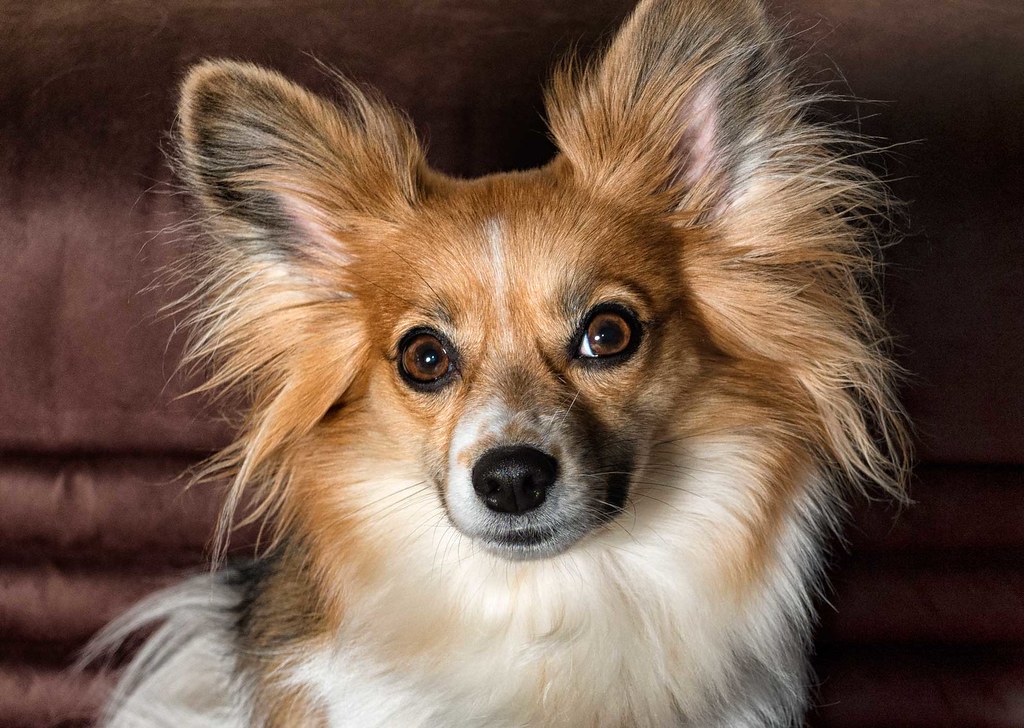
Don’t let the elegant butterfly ears and tiny frame fool you.
The Papillon is an exceptionally bright little dog with an impressive combination of trainability, athleticism and enthusiasm for learning.
Papillons tend to enjoy working with their owners rather than simply tolerating training. That makes teaching tricks, obedience exercises and more complicated behaviours particularly rewarding.
Their intelligence also shows in dog sports. Despite their small stature, Papillons can excel at agility and obedience, where speed, concentration and responsiveness all matter.
What makes the Papillon so smart?
Papillons combine curiosity with a strong willingness to interact with people. They tend to learn quickly and enjoy being challenged.
That also means they shouldn’t be treated purely as lap dogs.
Training games, scent work, puzzle toys and regular opportunities to learn can help keep that busy little brain occupied.
Best for: Owners who want a tiny, highly trainable dog that enjoys learning.
2. Miniature Poodle
Few discussions about intelligent dogs get very far without mentioning the Poodle.
While the Standard Poodle isn’t a small breed, the Miniature Poodle packs the same famous intelligence into a much more compact dog.
Poodles are attentive, people-oriented and highly adaptable learners. Their intelligence isn’t limited to obedience either. They’re capable problem-solvers and can excel in activities ranging from retrieving and scent work to agility and advanced tricks.
Miniature Poodles tend to respond particularly well to consistent positive training.
The downside?
A clever Poodle with nothing to do can invent its own entertainment.
Mental stimulation is therefore just as important as physical exercise.
Best for: Active owners who enjoy training and want an exceptionally versatile small companion.
3. Shetland Sheepdog
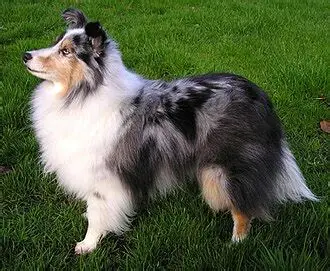
The Shetland Sheepdog, or Sheltie, brings serious working intelligence to a relatively compact package.
Originally developed as a herding dog, the Sheltie needed to pay attention to its surroundings, respond to direction and make quick decisions while working.
Those qualities remain obvious today.
Shelties frequently excel at obedience, agility and other dog sports because they’re fast learners and generally eager to work with their people.
Their intelligence does come with responsibility.
A Sheltie needs regular mental and physical stimulation. Without enough to do, that clever brain can find less desirable outlets.
They’re also known for being vocal, which is worth considering if you’re looking for an especially quiet small dog.
Best for: People who enjoy active training, dog sports and giving their dog plenty to think about.
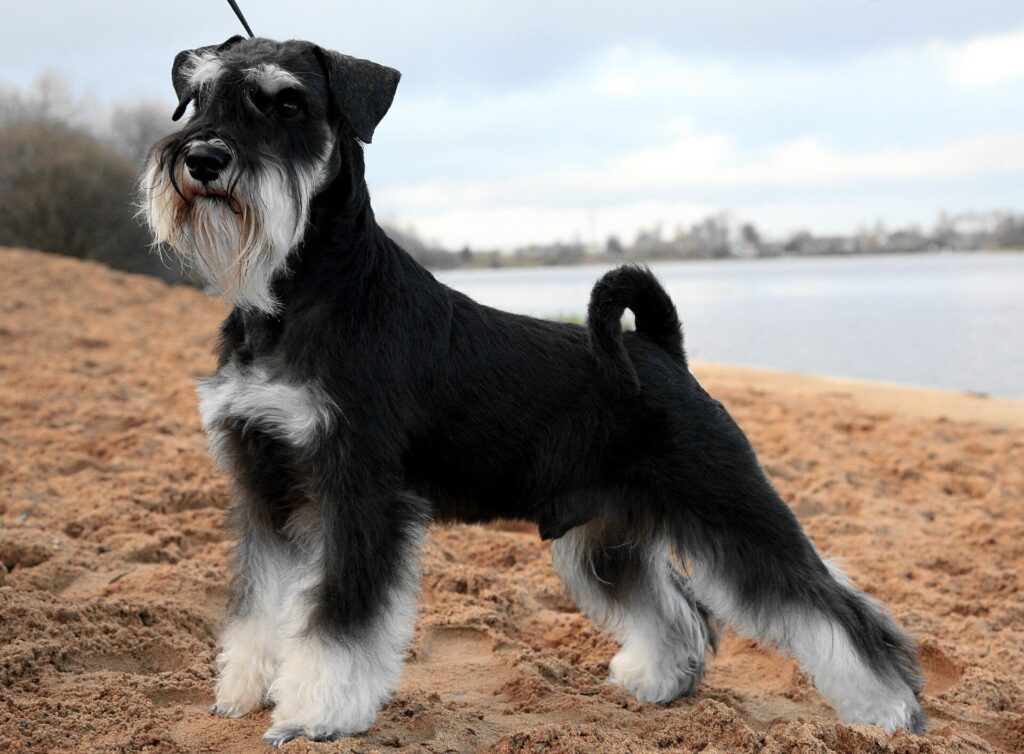
4. Miniature Schnauzer
The Miniature Schnauzer combines intelligence with confidence and personality.
Originally developed as a farm dog and ratter, this breed needed enough independence to solve problems without waiting for constant human direction.
That heritage helps explain why Miniature Schnauzers can be both highly trainable and occasionally opinionated.
They tend to enjoy learning, particularly when training is interesting and rewarding. Repetitive sessions can lose their appeal much faster than short, varied challenges.
Miniature Schnauzers can enjoy obedience, tricks, scent games and interactive toys.
Their alertness also means they’re often quick to notice what’s happening around them—which can translate into enthusiastic barking if it isn’t managed appropriately.
Best for: Owners wanting an intelligent, lively little dog with plenty of character.
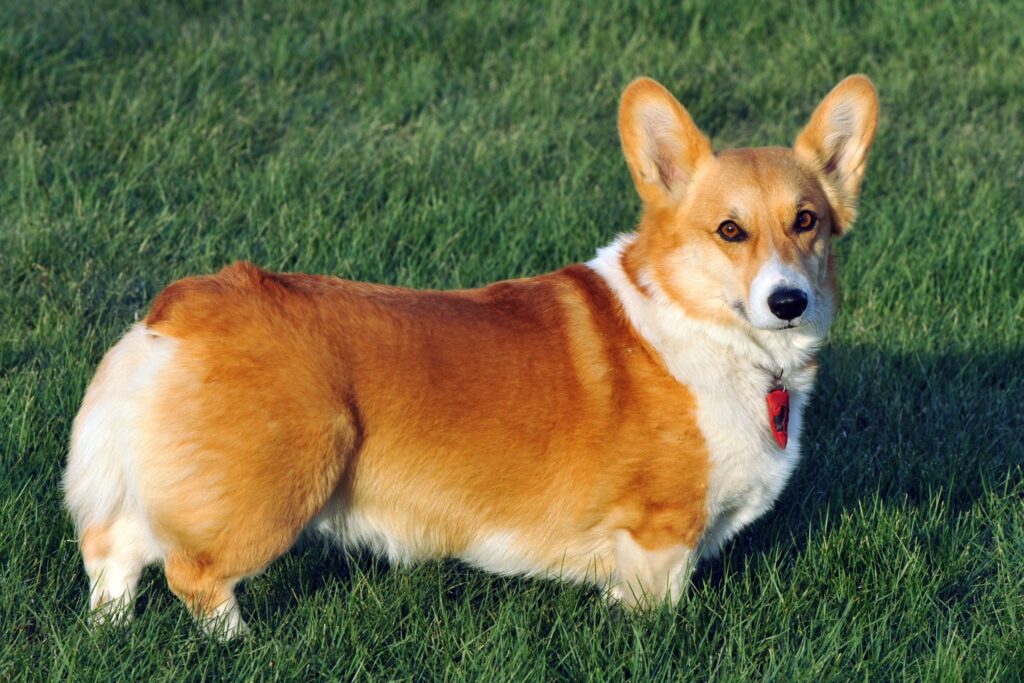
5. Pembroke Welsh Corgi
Short legs don’t mean a short attention span.
The Pembroke Welsh Corgi was developed for herding cattle, a demanding job requiring confidence, responsiveness and enough independent judgement to work around animals considerably larger than itself.
That working heritage remains part of the breed.
Corgis can be fast learners and enjoy having something purposeful to do. Training, scent games and dog sports can all provide productive outlets for their intelligence.
However, their herding background can also produce behaviours owners weren’t expecting, including attempting to control movement around the household.
Early, consistent training helps direct that cleverness appropriately.
Best for: Active households that want a smart, sturdy smaller dog rather than a traditional lap dog.
6. Toy Poodle
If even the Miniature Poodle is larger than you’re looking for, consider its smaller relative.
Toy Poodles retain the Poodle’s intelligence, attentiveness and enthusiasm for learning in a genuinely tiny package.
They’re often excellent trick dogs because they tend to enjoy interaction and can learn complex sequences when training is broken into manageable steps.
Their size shouldn’t be an excuse to skip training.
A Toy Poodle benefits enormously from the same mental stimulation we’d give a much larger working dog—just adjusted appropriately for their physical size.
Teaching tricks, using small food puzzles and introducing simple scent games can provide valuable enrichment.
Best for: Someone seeking very high trainability in a genuinely tiny dog.
7. Schipperke
The Schipperke is a fascinating example of intelligence that isn’t always synonymous with obedience.
These compact Belgian dogs are alert, curious and highly interested in what’s happening around them.
They’re capable learners, but their independent streak means they may sometimes ask a question other intelligent breeds don’t:
What’s in this for me?
That’s not lack of intelligence.
In fact, independent thinking can be a form of canine intelligence in its own right.
Training a Schipperke tends to work best when sessions are positive, varied and engaging rather than repetitive.
Best for: Experienced or enthusiastic owners who appreciate an intelligent independent thinker.
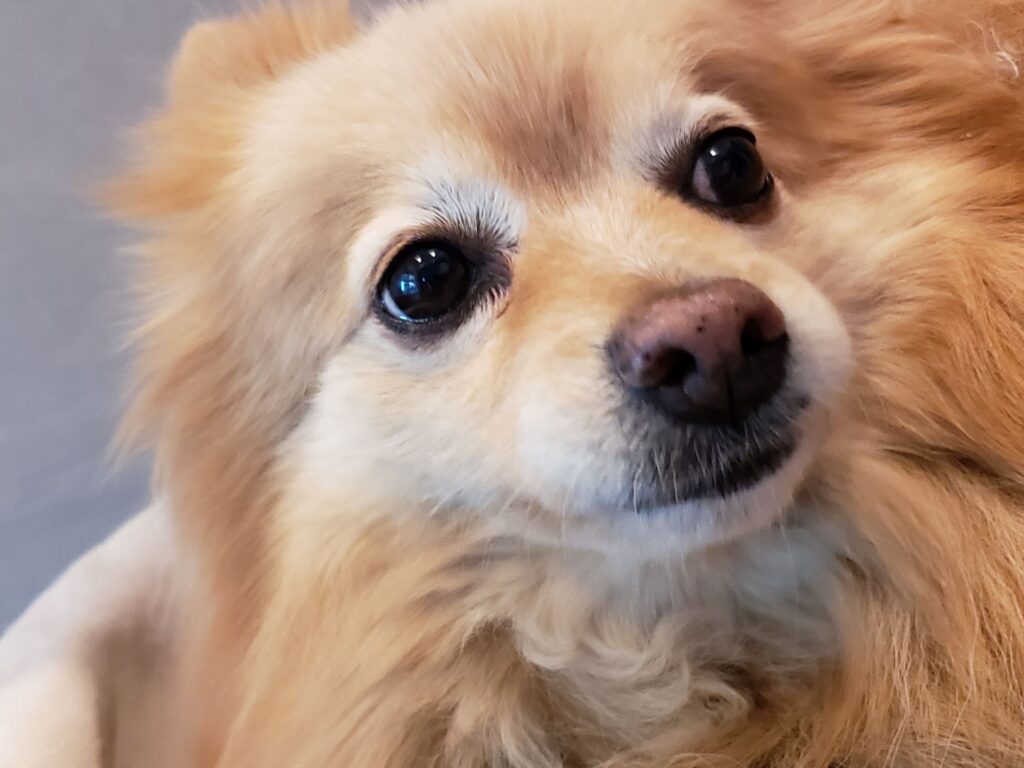
8. Pomeranian
Behind all that fluff is a surprisingly capable little brain.
Pomeranians tend to be alert, inquisitive and quick to notice patterns in their environment. They can learn tricks and obedience behaviours very successfully when owners provide consistent training.
Because they’re so small and cute, people sometimes allow behaviours in Pomeranians that they wouldn’t accept from a larger dog.
That’s unfortunate.
Training provides these bright little dogs with valuable mental stimulation while also helping them become confident, well-mannered companions.
Short trick-training sessions can be particularly enjoyable.
Best for: Owners wanting a very small, clever companion that enjoys interaction.
9. Yorkshire Terrier
Yorkshire Terriers may be tiny companion dogs today, but their history includes working as determined ratters.
That helps explain the confidence, persistence and independence many Yorkies still display.
They’re capable learners, although their terrier personality can sometimes make motivation more important than repetition.
Keep training upbeat and rewarding.
Yorkies can enjoy learning tricks, basic scent games and everyday obedience, and their compact size makes mental activities particularly useful when outdoor exercise opportunities are limited.
Best for: People who enjoy a small dog with confidence, curiosity and a little independence.
10. Cairn Terrier
The original article placed the Cairn Terrier first on this list, and while we wouldn’t rank it quite that highly, there’s no question that the breed can be remarkably clever.
Cairns were bred to pursue vermin through difficult terrain, which required determination and independent problem-solving.
That means their intelligence doesn’t always look like instant obedience.
A Cairn may understand perfectly well what you want while simultaneously deciding that something else is more interesting.
Positive reinforcement, variety and patience tend to work much better than repetitive drilling.
Give a Cairn an interesting problem to solve and you may see just how capable that terrier brain really is.
Best for: Owners who appreciate independent intelligence and classic terrier character.
11. Rat Terrier
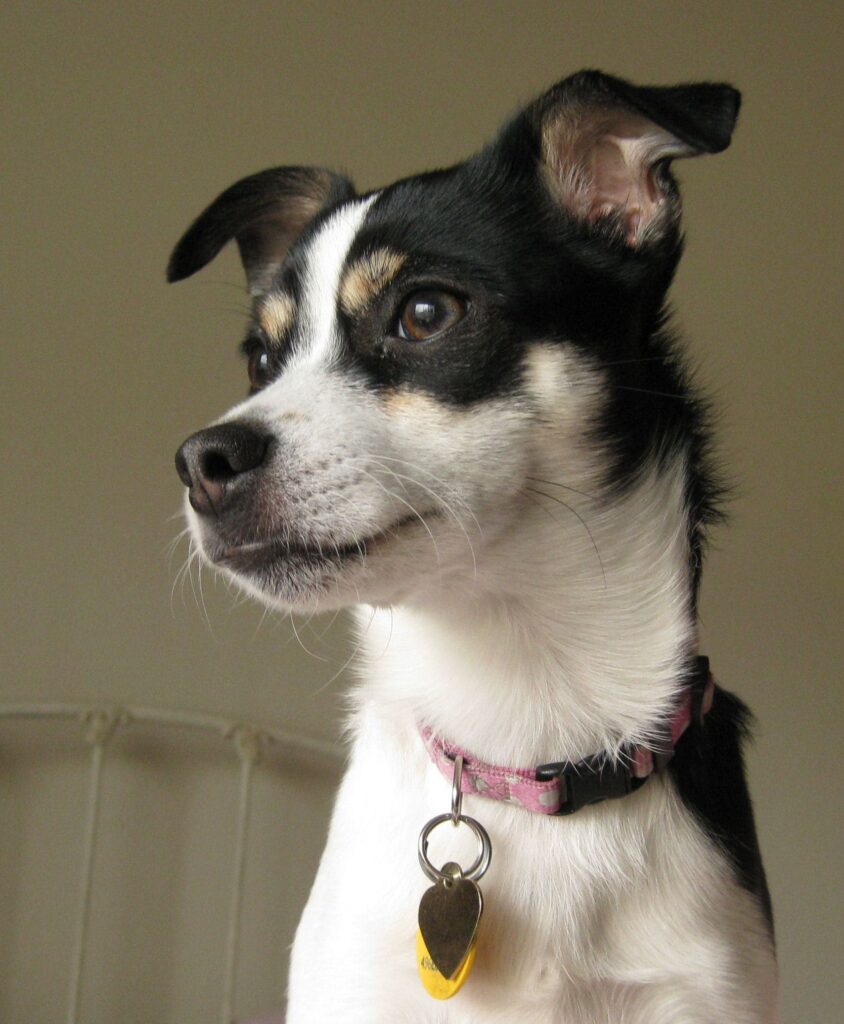
The Rat Terrier earns a place on this revised list because it combines working ability, persistence and strong problem-solving instincts in a compact body.
Historically used for controlling vermin and performing other farm tasks, these dogs needed speed, awareness and the ability to make decisions independently.
Modern Rat Terriers can channel that intelligence into training, games and dog sports.
They generally benefit from having both physical exercise and something mentally interesting to do.
Like many intelligent working dogs, boredom can encourage them to find their own projects—projects that their owners may not appreciate.
Best for: Active households looking for a smart, energetic small dog.
12. Brussels Griffon
The expressive Brussels Griffon is much more than an amusing face.
These little dogs tend to be alert, curious and strongly connected to their owners. That human focus can make training rewarding because they pay close attention to interaction.
Brussels Griffons generally respond best to patient, positive methods.
Harsh training is unnecessary and can be counterproductive with a sensitive dog.
Trick training and interactive games provide good ways to exercise both their intelligence and their desire to spend time with their people.
Best for: Someone wanting an intelligent companion that thrives on close interaction.
13. Miniature American Shepherd
The Miniature American Shepherd brings genuine herding-dog intelligence into a smaller frame.
These dogs are energetic, responsive and capable of learning complicated tasks. Their working background makes them particularly suited to owners who enjoy active involvement with their dogs.
Agility, obedience, trick training and other structured activities can all provide useful outlets.
But don’t choose one purely because it’s clever and relatively compact.
This is an active dog that generally needs substantially more physical and mental stimulation than a typical small companion breed.
Best for: Active owners wanting a smaller working-style dog with serious training potential.
14. Cardigan Welsh Corgi
The Cardigan Welsh Corgi is another small-statured herding breed with a working brain.
Like the Pembroke, Cardigans historically needed enough confidence and judgement to move livestock while responding to their handlers.
They’re intelligent, adaptable and capable learners, but can also have an independent side.
Mental enrichment matters.
Training games, scent activities and appropriately challenging toys can give a Cardigan something productive to think about.
Best for: Owners wanting an intelligent, sturdy companion with working-dog heritage.
15. Havanese
Our final place goes to a dog better known for companionship than herding or hunting.
The Havanese tends to be sociable, attentive and eager to interact with people. Those characteristics can translate very nicely into training.
They’re often enthusiastic trick learners and can enjoy obedience and other activities despite their small size.
Their intelligence is particularly accessible because they generally enjoy human interaction.
That makes the Havanese a good example of why intelligence isn’t only about working heritage.
A dog that’s attentive, adaptable and motivated to engage with you can be an extremely rewarding learner.
Best for: Families looking for a bright, people-oriented small companion.
Which Smart Small Dog Is Right for You?
The smartest small dog breed isn’t automatically the best small dog breed for your household.
Intelligence can actually make a dog more demanding.
A highly intelligent working breed may require more training, exercise and mental stimulation than an owner expected.
Before choosing a breed, consider:
How much training do you enjoy?
If training is something you genuinely enjoy, a Papillon, Poodle or Sheltie can provide enormous opportunities.
If you’d prefer a more relaxed companion relationship, choosing purely for maximum intelligence may not make sense.
How active are you?
Some dogs on this list may be small physically but certainly aren’t small in energy.
Corgis, Shelties and Miniature American Shepherds need meaningful physical activity as well as mental challenges.
Do you enjoy an independent dog?
Terriers and breeds such as the Schipperke may be clever without being constantly eager to obey.
Some owners love that personality.
Others find it frustrating.
How much mental stimulation can you provide?
Training doesn’t have to mean formal obedience classes every day.
You can keep a smart dog mentally engaged through:
- scent games
- hide-and-seek
- trick training
- puzzle feeders
- interactive toys
- exploring new walking routes
- learning names for toys
- basic obedience games
Even a few short sessions throughout the day can make a difference.
How to Keep an Intelligent Small Dog Mentally Stimulated
Owning a clever dog isn’t about continually testing how intelligent they are.
It’s about giving their brain appropriate outlets.
Teach New Skills
Once your dog understands basic commands, continue teaching.
Useful household behaviours, tricks and more advanced obedience all create opportunities to think and learn.
Use Food Puzzles
Instead of always serving food in a bowl, occasionally turn part of a dog’s meal into a problem-solving activity.
Puzzle feeders and treat-dispensing toys can encourage natural searching and problem-solving behaviour.
Let Them Use Their Nose
Scent is enormously important to dogs.
Try hiding treats around a safe room and encouraging your dog to find them, or simply allow plenty of sniffing time during walks.
Keep Training Positive
Intelligent doesn’t mean immune to frustration.
Short, rewarding sessions are often more productive than repeatedly drilling the same behaviour.
Finish while your dog is still engaged.
Does Breed Determine How Smart a Dog Is?
Breed can influence behaviour, working tendencies and trainability, but it doesn’t determine everything.
Individual dogs vary.
Experience matters.
Training matters.
Motivation matters.
And different breeds were developed to solve very different problems.
A herding dog that constantly watches its handler and a terrier that independently works out how to reach something may both be demonstrating intelligence—just in different ways.
That’s why rankings like this should be treated as a useful guide rather than an absolute measure of every individual dog.
Frequently Asked Questions
What is the smartest small dog breed?
The Papillon is one of the strongest candidates. Despite being a Toy breed, Papillons are highly trainable and can excel in obedience and agility. Miniature and Toy Poodles and the Shetland Sheepdog are also exceptionally intelligent smaller breeds.
Are small dogs as intelligent as large dogs?
Yes. Size alone doesn’t determine canine intelligence. Small breeds can demonstrate exceptional trainability, problem-solving ability and working intelligence.
What is the easiest smart small dog to train?
Papillons and Poodles are strong choices for owners who value trainability because they tend to learn quickly and enjoy working with people. Individual temperament and training methods still matter.
Which intelligent small dogs are good for active owners?
Shetland Sheepdogs, Pembroke Welsh Corgis and Miniature American Shepherds are particularly worth considering if you want a smaller dog capable of participating in active training and dog sports.
Can you make a dog smarter?
You can’t change a dog’s genetics, but training and enrichment can develop their skills and give them more opportunities to problem-solve. Teaching new behaviours, providing scent games, using puzzle toys and exploring new environments can all challenge a dog’s brain.
Final Thoughts
The smartest small dog breeds prove that impressive canine intelligence can come in very small packages.
Papillons combine tiny size with outstanding trainability. Miniature and Toy Poodles are versatile problem-solvers. Shetland Sheepdogs bring serious working intelligence, while Miniature Schnauzers, Corgis and terriers demonstrate that clever dogs don’t always express their intelligence in exactly the same way.
But intelligence shouldn’t be the only consideration when choosing a dog.
The smartest dog for you is one whose exercise needs, personality, trainability and lifestyle requirements match what you can realistically provide.
Give an intelligent small dog appropriate training, physical activity and plenty of opportunities to use their brain, and you’ll have much more than a clever pet.
You’ll have an engaged companion that keeps learning right alongside you.