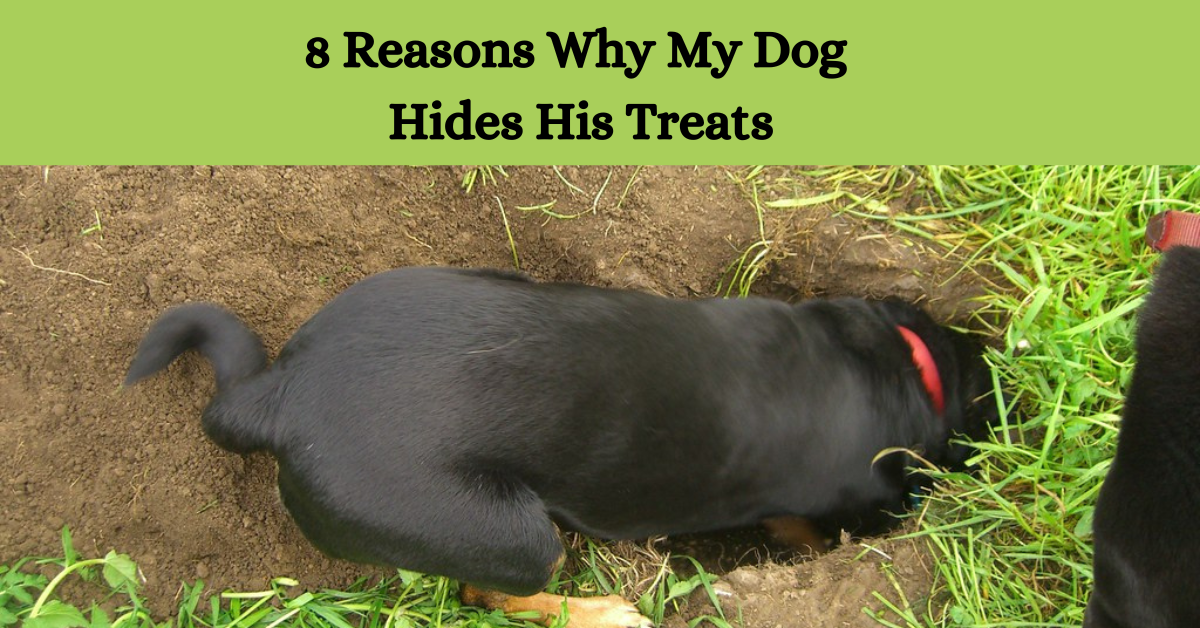
If you’ve ever watched your dog carry a treat away, push it beneath a blanket or carefully hide it behind the sofa, you’ve probably wondered: why does my dog hide his treats instead of simply eating them?
The short answer is that hiding food is a natural canine behaviour known as caching. Dogs can instinctively store valuable food somewhere safe so they can return to it later.
But instinct isn’t the only explanation. Your dog might be full, protecting a prized treat from another pet, enjoying the challenge of hiding it, or occasionally responding to stress or changes in their environment.
Here are seven common reasons dogs hide their treats—and how to tell when the behaviour deserves a closer look.
1. Your Dog Is Following a Natural Instinct
The most likely explanation for a dog hiding treats is also one of the simplest: instinct.
Domestic dogs don’t have to worry about where their next meal will come from, but their ancestors didn’t have that luxury. When food was plentiful, storing surplus food somewhere safe could provide something to eat later.
This behaviour is known as caching.
Your dog might not need an emergency food supply beneath your sofa cushions, but some of those old behavioural instincts remain.
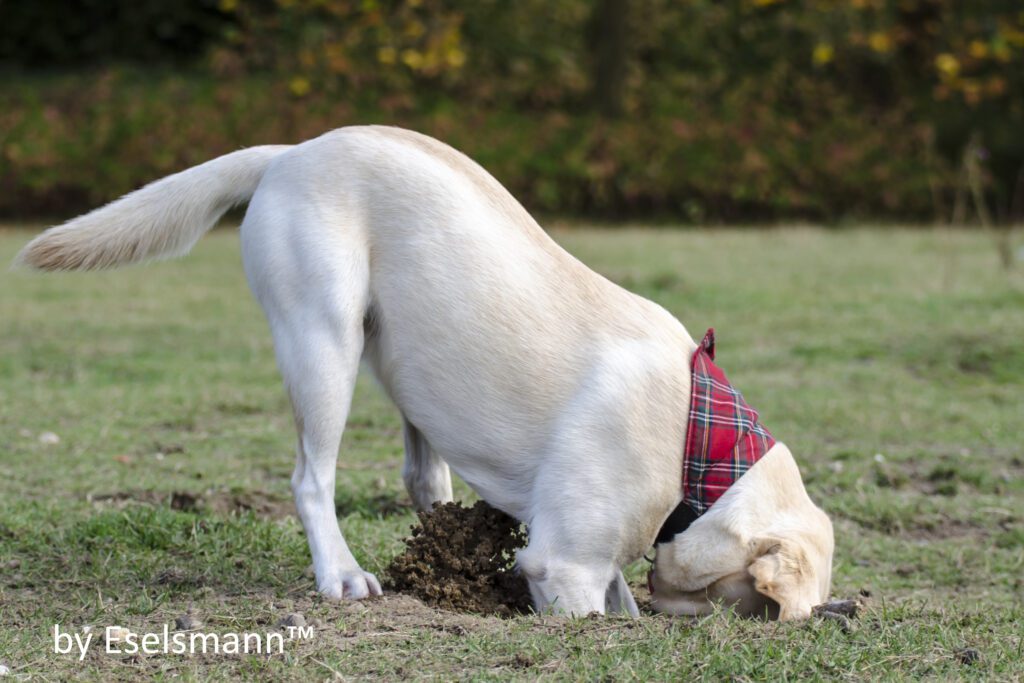
That’s why a dog can be perfectly well fed and still carry a favourite treat into another room, push it underneath a blanket or attempt to bury it in the garden.
Your dog isn’t necessarily rejecting the treat. Quite the opposite—the treat may be valuable enough that your dog wants to save it for later.
2. Your Dog Isn’t Hungry Yet
Sometimes there’s an even simpler reason why dogs hide food: they’re not hungry enough to eat it.
Perhaps your dog has just eaten dinner when you hand over a favourite chew. Instead of eating it immediately, they decide to save it.
This is particularly understandable with high-value or longer-lasting treats.
If this happens regularly, consider when you’re offering treats and how many your dog receives throughout the day.
A dog that has plenty of food and treats available may be more inclined to save something for later rather than consume it immediately.
If your dog is otherwise eating normally, maintaining their usual weight and behaving normally, occasionally storing a treat isn’t necessarily something you need to stop.
The type and value of the treat can also influence what your dog does with it, particularly when you’re offering healthy natural dog treats between regular meals.
3. Your Dog Wants to Keep the Treat Safe
If you live in a multi-dog or multi-pet household, your dog’s hiding behaviour may become even more noticeable.
A dog carrying a treat somewhere private may simply be trying to enjoy or store something valuable without another animal taking it.
You may notice your dog:
- carrying treats into another room
- hiding them behind furniture
- placing them underneath bedding
- waiting until another pet leaves before retrieving them
- choosing quiet locations for valuable chews
Providing dogs with enough space to enjoy high-value treats without competition can help.
However, hiding food isn’t quite the same as resource guarding.
If your dog stiffens, growls, snaps or becomes distressed when a person or another animal approaches their food or hidden stash, don’t punish or deliberately challenge them by taking the item away.
Resource guarding deserves a more careful approach and may require help from a veterinarian or suitably qualified positive-reinforcement behaviour professional.
4. Your Dog May Feel More Secure Hiding Something Valuable
For some dogs, where they keep something can be almost as important as the object itself.
A quiet corner, dog bed, crate or familiar blanket can feel like a safe place.
This may help explain why some dogs don’t actually bury their treats outside. Instead, they’ll wander around the house looking for somewhere appropriate before pushing the treat beneath a cushion or covering it with bedding.
Changes in the household can sometimes influence this behaviour too.
A new pet, visitors, moving house or other disruption can alter how secure a dog feels around valuable resources.
Hiding an occasional treat doesn’t automatically mean your dog has anxiety. Look at the wider picture.
If treat hiding suddenly becomes much more frequent alongside other changes in behaviour, consider what may have changed in your dog’s environment.
Creating a comfortable, secure environment can also help dogs that show anxiety-related behaviour.
5. Hiding Treats Can Be Enjoyable
Dogs experience much of their world through scent, exploration and problem-solving.
For some dogs, hiding and finding things can simply be rewarding.
You’ve probably seen how enthusiastic a dog can become when searching for something using their nose. We can actually turn that natural interest into healthy enrichment.
Rather than discouraging every attempt to hide something, try giving your dog an appropriate outlet.
You could hide a few treats around a safe room, use a puzzle dog treat dispenser, try a snuffle mat or create simple scent games around the home
This turns searching for food into an activity you can enjoy together.
Just remember to account for treats as part of your dog’s overall diet rather than continually adding extra food.
6. Your Dog Has Too Many Treats or Toys Available
Sometimes dogs hide things simply because they have more valuable resources than they need right now.
Imagine giving your dog a favourite chew immediately after a satisfying meal. They’re full, but they don’t want to lose something so valuable.
The solution?
Hide it.
The same thing can happen with toys. Some dogs collect favourite objects and store them around the house.
If your dog is constantly hiding treats, consider whether you’re offering more than they actually want to eat.
You can also rotate toys instead of leaving every toy available all the time. This can help keep familiar toys interesting without overwhelming your dog with choices.
7. A Sudden Change Could Signal That Something Is Wrong
Most treat hiding is harmless.
What matters is whether the behaviour is normal for your particular dog.
A dog who has always occasionally hidden a chew under a blanket probably isn’t giving you much cause for concern.
But imagine a dog who normally devours their favourite treat suddenly taking it away and hiding it every time.
That deserves more attention.
The important issue isn’t necessarily the hiding itself—it’s the change in appetite or behaviour.
Contact your veterinarian if your dog’s change in eating behaviour is accompanied by signs such as:
- refusing normal meals
- difficulty chewing
- vomiting or diarrhoea
- unusual tiredness
- obvious pain or discomfort
- unexplained weight loss
- significant behavioural changes
Rather than trying to diagnose the cause yourself, a veterinarian can determine whether there’s an underlying medical reason for the change.
Why Does My Dog Hide Treats Under Blankets?
This is one of the most amusing versions of treat hiding.
Your dog receives a treat, jumps onto their bed or yours, drops it onto the blanket and then begins pushing the blanket around with their nose.
They may even appear to be trying to cover the treat with an imaginary layer of soil.
Soft bedding provides an indoor alternative to burying something outside. Blankets, cushions, dog beds and sofas provide convenient places where a dog can conceal something valuable.
In other words, the blanket can become your dog’s miniature pantry.
As long as the behaviour isn’t causing problems, there’s usually little reason to worry.
You may feel differently when you climb into bed and discover yesterday’s half-chewed treat beneath your pillow.
Why Does My Dog Bury Treats Instead of Eating Them?
If your dog buries a treat rather than eating it, the treat may actually be particularly valuable.
Your dog might simply be saving it.
Consider the circumstances.
Did your dog recently eat? Are other dogs nearby? Is it a long-lasting treat? Does your dog return later and retrieve it?
Those clues can help explain what’s happening.
Occasional burying is generally very different from a dog suddenly losing interest in food altogether.
Should I Stop My Dog From Hiding Treats?
Not necessarily.
If your dog occasionally hides a safe treat and the behaviour isn’t causing problems, you may not need to intervene at all.
Instead, manage the environment.
Don’t allow food to accumulate and spoil around the house. Avoid letting your dog bury unsafe objects. Supervise long-lasting chews where appropriate, and prevent competition over valuable food between pets.
If digging is destroying your garden, you can redirect your dog’s natural behaviour towards an appropriate digging area or use scent and food-searching games as an alternative.
The aim isn’t to punish a natural behaviour. It’s to give your dog an acceptable way to express it.
When Treat Hiding Becomes Resource Guarding
There’s an important distinction between saving something and defending something.
If your dog quietly hides a treat and later retrieves it, that’s one thing.
If your dog becomes tense when you approach, positions their body over the item, growls, bares their teeth, snaps or aggressively prevents access, the situation should be treated differently.
Don’t repeatedly take food away to prove that you’re in charge. Confrontation can increase stress and make guarding behaviour worse.
Instead, manage the situation safely and seek professional guidance if necessary.
Frequently Asked Questions
Why do some dogs hide their treats while others don’t?
Individual dogs differ. Genetics, previous experiences, environment, competition with other animals and personality can all influence how strongly a dog displays caching behaviour.
Why does my dog hide food around the house?
Your dog may be saving food for later, protecting something valuable or simply following the natural caching instinct. Sofas, blankets, dog beds and quiet corners can substitute for burying food outside.
Does hiding treats mean my dog has anxiety?
Not necessarily. Treat hiding is commonly a normal behaviour. However, if it suddenly increases alongside other signs of stress or significant behavioural changes, consider what has changed in your dog’s environment and seek professional advice if you’re concerned.
Why does my dog hide a treat and then immediately retrieve it?
The process itself may be enjoyable. Dogs use their noses extensively, and hiding, searching for and retrieving objects can provide mental stimulation.
Should I take away treats my dog hides?
If the treat could spoil, become unsafe or create conflict between pets, it should be managed appropriately. However, avoid turning retrieval into a confrontation, particularly if your dog displays signs of resource guarding.
Final Thoughts
So, why does my dog hide his treats?
In most cases, the answer is reassuringly simple.
Your dog may be displaying an ancient caching instinct: keeping something valuable safe so it can be enjoyed later. They might also be full, avoiding competition from another pet, looking for a secure place to keep their treasure or simply enjoying the process.
Instead of viewing the behaviour as strange or naughty, look at the circumstances surrounding it.
Where does your dog hide the treat? When do they do it? Have they just eaten? Are other animals nearby? Do they return for it later?
Those little clues can tell you a great deal.
And if a dog who normally loves food suddenly starts hiding it rather than eating—or shows other changes in appetite, health or behaviour—talk to your veterinarian.
Most of the time, however, that mysterious treat beneath the blanket isn’t much of a mystery at all.
Your dog may simply be saving something good for later.