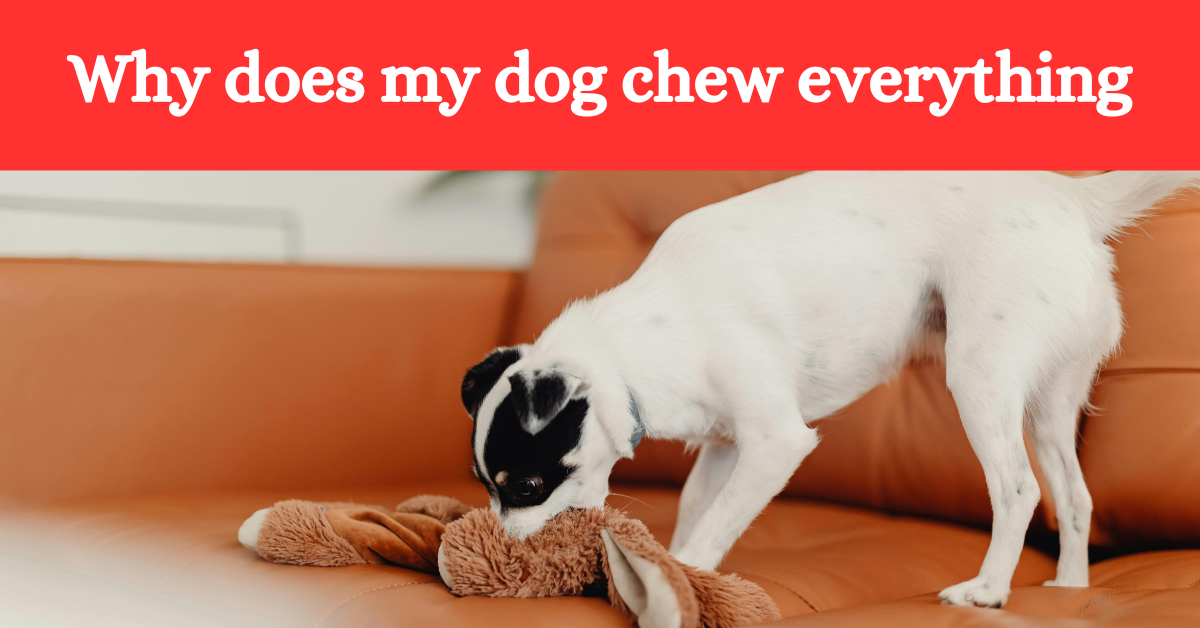
You’ve bought chew toys, balls and perhaps even an expensive puppy toy that promised hours of entertainment.
Yet somehow your puppy still prefers your shoes, furniture, socks or the corner of the rug.
So, why does my puppy chew everything but his toys?
Usually, it isn’t because your puppy is being naughty. Puppies naturally explore the world with their mouths, and teething gives them an additional reason to chew. Your belongings may also smell more interesting, provide a more satisfying texture or simply be easier to access than the toys you’ve chosen.
The solution isn’t necessarily to buy more toys.
Instead, you need to discover what your puppy actually likes to chew, make those appropriate options rewarding, prevent access to dangerous or valuable objects, and patiently teach them what’s theirs and what isn’t.
Here are seven reasons your puppy may be ignoring their toys.
1. Your Puppy Is Teething
Teething is one of the most obvious reasons puppies suddenly seem determined to chew everything in sight.
As adult teeth develop, puppies can experience discomfort that makes chewing particularly appealing.
Unfortunately, your puppy doesn’t understand that the rubber toy on the floor is acceptable while the wooden chair leg beside it isn’t.
Both are simply potential things to chew.
The American Kennel Club recommends providing appropriate puppy chew toys and notes that puppies can benefit from toys designed for their size, personality and chewing style.
This is where experimentation becomes important.
Your puppy might prefer:
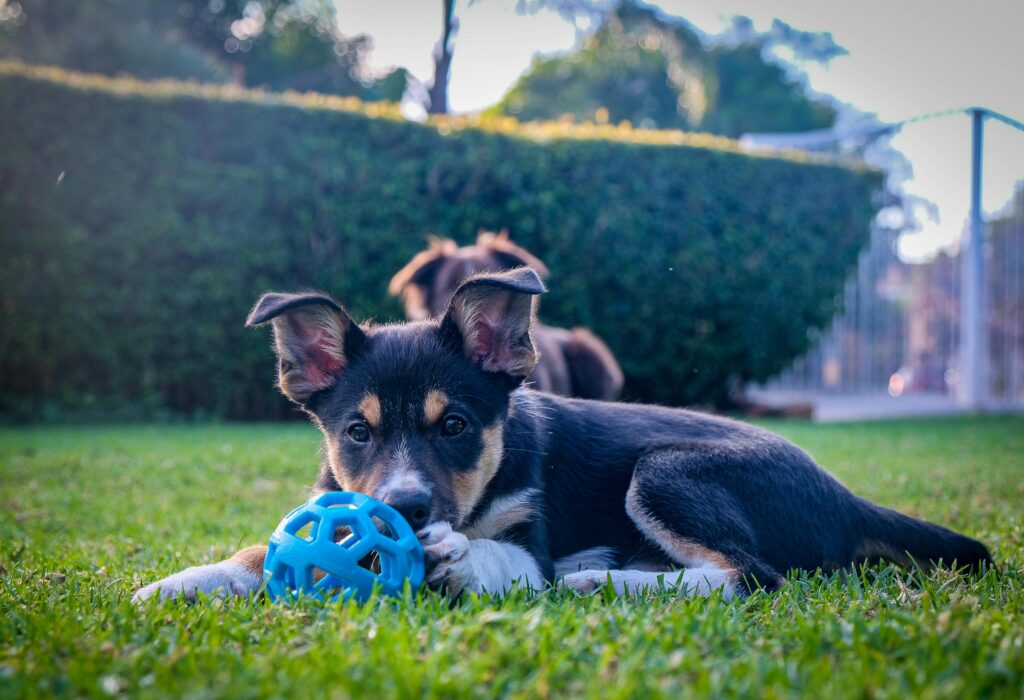
- softer rubber
- textured surfaces
- toys designed specifically for teething
- food-filled puzzle toys
- appropriately sized chew toys
- toys that can be chilled according to the manufacturer’s directions
Always supervise your puppy with a new chew and replace toys that begin breaking apart.
2. Your Belongings Smell More Interesting
Consider the world from your puppy’s perspective.
That plastic chew toy you’ve carefully selected might smell relatively uninteresting.
Your shoe?
It smells intensely like you.
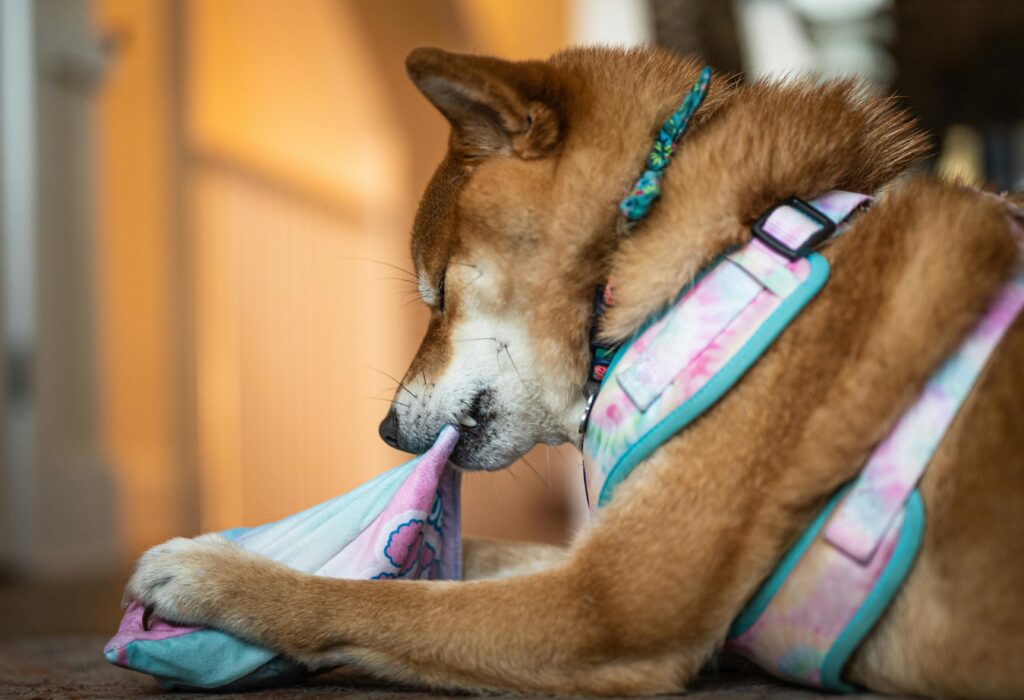
The same applies to socks, clothing, blankets and other frequently handled belongings.
And puppies don’t understand monetary or sentimental value. The fact that one shoe cost $150 while their chew toy cost $10 means absolutely nothing to them.
That’s why management is such an important part of puppy training.
Shoes belong in cupboards. Laundry belongs in hampers. Children’s toys should be kept out of reach.
Don’t make your puppy practise making the wrong choice all day and then expect them to understand why you’re unhappy.
Make the correct choice easier.
3. The Wrong Things May Feel Better to Chew
Texture matters.
Some puppies love soft rubber. Others want something with more resistance. Some enjoy fabric-like textures, while others are attracted to wood, leather or other surfaces.
That can explain one of the most frustrating puppy-owner mysteries:
Why does my puppy ignore ten perfectly good toys and chew the furniture?
The furniture may simply provide a more satisfying chewing experience.
Pay attention to what your puppy repeatedly chooses.
If they’re attracted to a particular texture, look for a safe puppy chew designed to provide a similar chewing experience rather than continually offering toys they don’t enjoy.
Don’t deliberately give your puppy old shoes, cushions or other household items as substitutes.
That creates an unnecessarily confusing rule:
This shoe is yours, but that almost identical shoe isn’t.
It’s much easier to establish a clear distinction between puppy toys and household belongings.
4. Your Puppy’s Toys Aren’t Interesting Enough
Imagine walking into a room containing the same ten toys you’ve seen every day for three months.
Eventually, they’re just part of the furniture.
Leaving every toy available all the time doesn’t necessarily make those toys more attractive.
Try rotating them instead.
Keep several toys available and put the others away. A few days later, swap them.
Suddenly, an old toy can become interesting again.
You can also make appropriate toys more rewarding through interaction.
Play tug with an appropriate tug toy. Roll a ball. Use a food puzzle. Engage with your puppy rather than expecting the object itself to provide endless entertainment.
The goal is to teach:
My toys are where the fun happens.
5. Your Puppy Is Bored
Puppies need more than physical exercise.
They also need opportunities to investigate, sniff, learn and solve simple problems.
A bored puppy will eventually invent something to do.
Unfortunately, their chosen activity may be dismantling your sofa.
The original version of this Zendogtips article correctly identified boredom and lack of mental stimulation as major contributors to unwanted chewing.
Provide appropriate outlets such as:
- short training sessions
- sniffing walks
- hide-and-seek games
- food puzzles
- supervised play
- age-appropriate exercise
- simple scent games
- interactive toys
You don’t need to entertain your puppy every waking minute.
You’re simply providing enough appropriate physical and mental activity that destroying the house isn’t their most interesting option.
6. Chewing Your Things May Get Your Attention
Imagine your puppy quietly chewing their toy in the corner.
Nothing happens.
Now imagine they grab your favourite shoe.
Suddenly you’re looking at them, talking to them and perhaps even chasing them around the house.
From your perspective, you’re trying to save the shoe.
From your puppy’s perspective, something very interesting just happened.
This doesn’t mean your puppy is plotting ways to manipulate you. It simply means behaviour can become more appealing when it produces an exciting consequence.
Instead of turning stolen objects into a dramatic game, remain calm.
Teach useful cues such as “drop it” and “leave it,” and reward your puppy when they choose appropriate items.
Most importantly, prevent access to valuable and dangerous objects whenever possible.
7. Your Puppy Hasn’t Learned the Rules Yet
This may be the most important reason of all.
Your puppy doesn’t arrive knowing:
Dog toy = yes.
TV remote = no.
Rubber chew = yes.
Electrical cable = absolutely not.
Those distinctions have to be learned.
The ASPCA similarly recommends giving dogs appropriate things to chew while gently teaching them which household items are off-limits.
The ASPCA points out that simply providing appropriate chew toys isn’t enough—dogs also need to learn what they’re allowed to chew.
That learning takes repetition.
Every time you calmly redirect your puppy from an inappropriate object to an appropriate chew and reward the better choice, you’re helping establish that distinction.
Eventually:
“Don’t chew that”
becomes
“I know what I’m supposed to chew instead.”
How to Stop Your Puppy Chewing Everything
Understanding the behaviour is only half the job.
Now we need to make appropriate chewing easier than inappropriate chewing.
Puppy-Proof Your Home
Prevention is one of the most effective training tools you have.
Remove obvious temptations:
- shoes
- socks and clothing
- rubbish
- children’s toys
- remote controls
- accessible cables
- anything small enough to swallow
- potentially toxic household items
Use doors, baby gates or a safe puppy area when you can’t supervise appropriately.
Every prevented chewing episode is one less opportunity for the unwanted behaviour to become habitual.
Find Out What Your Puppy Actually Likes
Don’t choose toys entirely according to what looks appealing to you.
Observe your puppy.
Do they prefer flexible rubber?
Something textured?
Interactive toys?
Food-filled puzzles?
Tug toys?
Once you understand their preferences, you can provide safer alternatives that genuinely compete with the furniture and shoes.
Rotate the Toys
Rather than covering the floor with every toy your puppy owns, maintain a smaller selection and rotate them.
Novelty can make familiar toys interesting again.
Redirect Rather Than Punish
If you catch your puppy chewing something inappropriate, interrupt calmly and offer something appropriate instead.
When they accept the correct chew, reinforce that decision with praise, play or another suitable reward.
Avoid punishing your puppy after discovering something they chewed earlier. Dogs won’t reliably connect delayed punishment with the chewing that happened minutes or hours before. The ASPCA specifically advises against punishment after the fact.
Provide Mental Stimulation
A five-minute training game can sometimes be more mentally engaging than simply wandering around the backyard.
Teach simple cues.
Let your puppy sniff during walks.
Use puzzle feeders.
Hide part of a meal for them to find.
Mental stimulation gives that curious puppy brain something productive to do.
Provide Appropriate Exercise
Puppies need physical activity, but more isn’t always better.
Exercise should be appropriate for your puppy’s age, breed, health and development.
Combine suitable physical activity with training, exploration and adequate rest rather than trying to exhaust destructive behaviour out of your puppy.
Supervise While They’re Learning
Freedom around the house should increase as your puppy demonstrates that they can handle it.
If they’re repeatedly disappearing into another room and chewing things, they’re probably being given more unsupervised freedom than they’re ready for.
Management isn’t failure.
It’s part of teaching.
Choosing Safe Chew Toys for Your Puppy
The best chew toy isn’t necessarily the toughest object you can find.
It needs to suit your puppy’s age, size and chewing style.
Avoid toys that are small enough to swallow or that easily break into pieces your puppy could ingest.
Very hard objects can also damage teeth. AKC advises selecting chew toys carefully and notes that some hard objects and chews can fracture or damage teeth.
Inspect toys regularly.
If pieces are coming loose, the toy has deep damage or your puppy is beginning to destroy and swallow parts of it, take it out of circulation.
Your existing Zendogtips guide to interactive dog toys for aggressive chewers can also help when you’re looking for more durable options.
Why Does My Adult Dog Suddenly Chew Everything?
A puppy chewing everything isn’t particularly surprising.
A mature dog that suddenly starts destructive chewing after previously having good habits deserves more investigation.
Possible contributors can include:
- boredom
- changes in routine
- stress or frustration
- separation-related distress
- insufficient stimulation
- changes in the household
Look at when the chewing occurs.
If it happens primarily when your dog is left alone and is accompanied by barking, pacing, attempts to escape or other signs of distress, separation-related anxiety may be involved.
A significant unexplained behaviour change is also worth discussing with your veterinarian, particularly if you notice other physical or behavioural symptoms.
What If My Puppy Swallows Things They Chew?
This is where destructive chewing can become much more than an inconvenience.
Pieces of toys, fabric and other household objects can potentially cause choking or gastrointestinal obstruction.
If you know or suspect your puppy has swallowed a foreign object, contact your veterinarian promptly for advice rather than waiting for symptoms to develop.
Seek urgent veterinary attention if your dog develops concerning symptoms such as repeated vomiting, significant lethargy, abdominal discomfort, difficulty defecating or loss of appetite.
Prevention matters enormously here.
Keeping dangerous objects out of reach isn’t simply about protecting your possessions.
It’s about protecting your puppy.
Frequently Asked Questions
Why does my puppy chew everything except his toys?
Household objects may smell more interesting, provide a preferred texture or simply be more readily available. Your puppy may also not yet understand which objects they’re allowed to chew. Experiment with safe toys of different textures and make appropriate chewing rewarding.
Will my puppy grow out of chewing everything?
Teething-related chewing generally decreases as puppies mature, but dogs continue to chew throughout their lives. Don’t rely solely on your puppy growing out of destructive chewing. Teach appropriate habits while they’re young.
Why does my puppy chew furniture when toys are available?
Furniture may provide a texture your puppy particularly enjoys, and it’s always available. Prevent access where practical and provide safe alternatives that satisfy a similar desire to chew.
Should I punish my puppy for chewing?
Punishment after the event won’t teach your puppy what they should have done instead. Prevention, supervision, redirection and reinforcing appropriate chewing are more useful approaches.
How many chew toys should my puppy have?
There’s no magic number. Having several safe options with different textures can help, but leaving dozens available isn’t necessarily better. Try rotating a smaller selection to maintain interest.
Why does my puppy destroy every toy I buy?
Some puppies are powerful chewers and need toys designed for their particular chewing style. Supervise new toys, inspect them regularly and remove anything that’s breaking into swallowable pieces.
When should I worry about my dog’s chewing?
Talk to your veterinarian if chewing changes suddenly, seems compulsive, causes mouth injuries, accompanies other behavioural or physical symptoms, or involves repeatedly eating non-food objects.
Final Thoughts
So, why does your puppy chew everything but his toys?
Usually, the answer isn’t that your puppy is stubborn or badly behaved.
Chewing is natural. Puppies explore with their mouths, teething increases their desire to chew, and your belongings can sometimes be more interesting than the toys you’ve chosen.
Your puppy also hasn’t yet learned the rules of your household.
That’s where you come in.
Remove dangerous temptations. Find safe chew toys your puppy genuinely enjoys. Rotate them to maintain interest. Provide physical and mental stimulation. Supervise while your puppy is learning, and calmly redirect inappropriate chewing toward something better.
Above all, be consistent.
The objective isn’t to stop your puppy from wanting to chew.
It’s to teach them what to chew instead.